FPV & Cinematic Drone Filming Inside the McLaren Technology Centre for CNN
FPV and cinematic drone filming inside the McLaren Technology Centre in Woking for CNN, filmed by Emmy-winning FPV pilot and drone cinematographer Lewis Whyld. Shot in 2015, during the early development of modern FPV cinematography, the project demonstrates the depth of Lewis’s experience using specialist drone systems in complex, high-profile environments. The filming moved through McLaren’s Norman Foster-designed headquarters and the famous Boulevard, home to historic Formula 1, IndyCar and Le Mans cars, combining close-proximity FPV movement with wider cinematic aerial coverage.
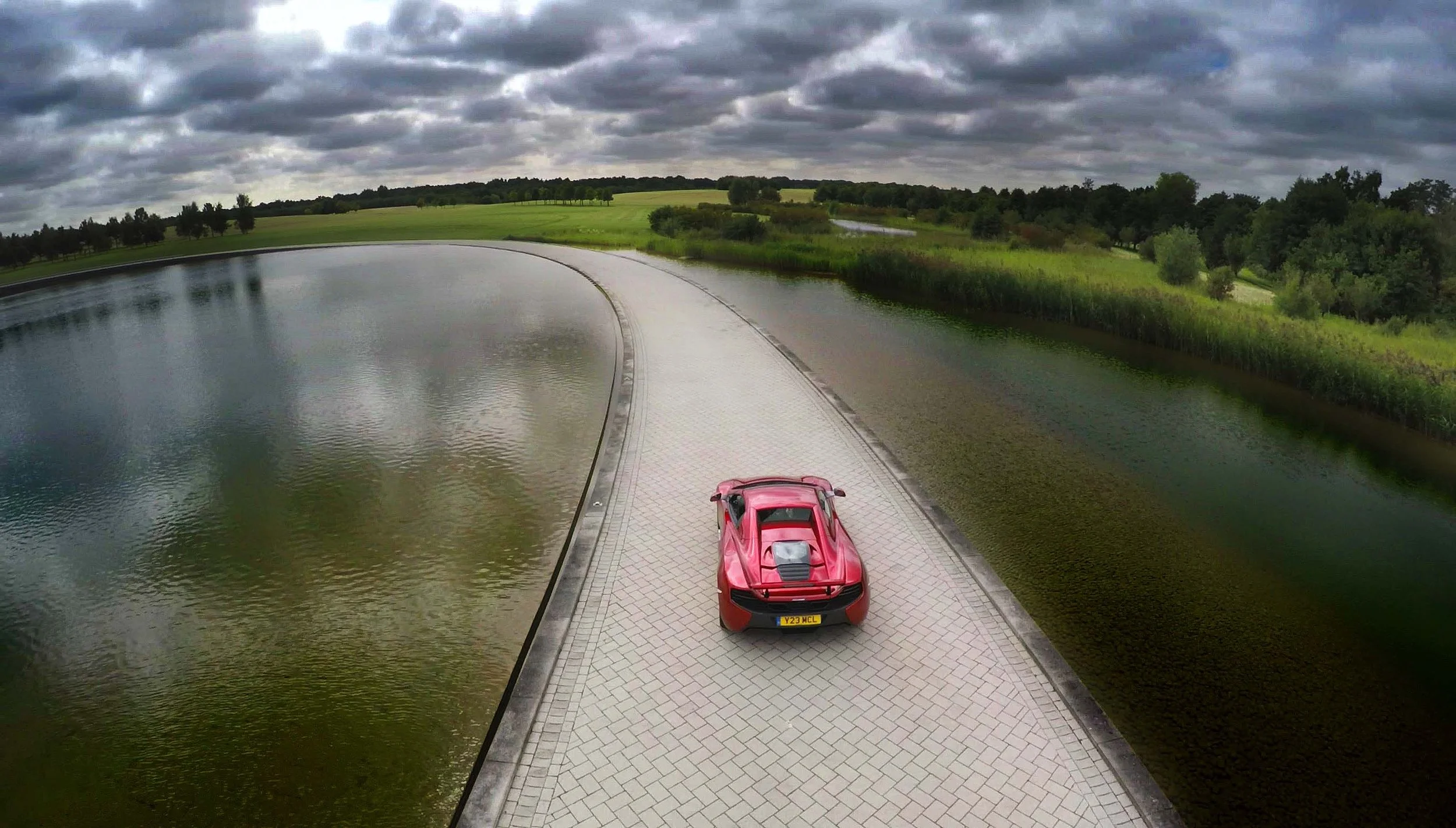
Early FPV and cinematic drone filming through the McLaren Technology Centre for CNN, moving around the Norman Foster-designed architecture and through the Boulevard among historic Formula 1, IndyCar and Le Mans cars.
Project Details
Client / Broadcaster: CNN
Location: McLaren Technology Centre, Woking, Surrey, UK
Role: FPV Pilot & Drone Cinematographer — Lewis Whyld
Filmed: 2015
Production Context: CNN International / McLaren Technology Group partnership
Filming: FPV & cinematic drone cinematography
Coverage: McLaren Technology Centre exterior, interior architecture and the Boulevard
Subjects: Formula 1, IndyCar and Le Mans racing cars
Architecture: Norman Foster-designed headquarters
Operation: Specialist close-proximity drone filming in a high-profile corporate and automotive environment
Specialism: Automotive / Architecture / Commercial / FPV
Experience: Early use of FPV cinematography for major international broadcast production
FPV Cinematography Inside the McLaren Technology Centre
Filming inside the McLaren Technology Centre required a very different approach from conventional aerial work. The building’s flowing architecture, highly reflective surfaces, valuable vehicles and tightly controlled interior spaces demanded precise, deliberate flying and careful route planning throughout.
The FPV sequences were designed to move through the headquarters rather than simply document it, using close-proximity camera movement to reveal the relationship between the architecture, the Boulevard and McLaren’s historic racing cars. The aim was to create a sense of motion and engineering even inside a largely static environment.
Because this was filmed in 2015, the project also sits relatively early in the development of modern cinematic FPV. It demonstrates long-standing experience using specialist drone systems creatively inside complex, high-profile locations for international broadcast - years before indoor FPV flythroughs became a widely adopted commercial filming technique.
Specialist FPV for Automotive & Engineering Environments
The McLaren Technology Centre project is part of a wider body of FPV and drone work around automotive, engineering and high-performance environments, where precision, movement and visual control are central to the brief.
I use FPV to create close-proximity camera moves through headquarters, workshops, tracks and technically complex spaces, as well as high-speed tracking alongside moving vehicles. That experience ranges from controlled indoor flights around valuable cars and architecture to outdoor pursuit work with race bikes and drifting vehicles.
For automotive productions, FPV can connect the engineering, environment and motion in a way conventional aerials cannot — moving through the space, around the subject and alongside the action to create a stronger sense of speed, scale and immersion.
Related Case Studies
Explore more FPV and drone cinematography across automotive, engineering and high-speed environments:
MPS Motorsport — Castle Combe — High-speed FPV tracking alongside British Superbike riders, including complete laps with circuit motorcycle lap-record holder Charlie Nesbitt.
King’s Lynn Circuit — Close-proximity FPV drift filming alongside cars at speed, flying low through tyre smoke and rapid changes of direction.
Warner Bros. Discovery London — A technically demanding three-floor indoor FPV flythrough using the first-generation Moonshot platform.
London Gateway Port — FPV and cinematic drone filming around ships, container stacks and giant quay cranes in a tightly controlled industrial environment.
View All FPV & Drone Case Studies →
Planning FPV Filming for Automotive or Engineering Projects?
Through Whyldthings, I provide specialist FPV and drone cinematography for automotive brands, motorsport, engineering companies, technology facilities and complex industrial environments.
From close-proximity interior FPV to high-speed tracking and wider cinematic aerials, I design the aircraft, route and camera movement around the specific demands of the production and location.